Irlanda del Norte nació con la Ley del Gobierno Británico de Irlanda (1920) que dividió Irlanda en dos áreas: el Estado Libre Irlandés, formado por los 26 condados del sur, e Irlanda del Norte, formada por los condados de Antrim, Down, Armagh, Londonderry, Tyrone y Fermanagh. Los católicos romanos, que constituían alrededor de un tercio de la población de Irlanda del Norte, se oponían en gran medida a la partición.
El 19 de julio de 1997, el IRA declaró un alto el fuego, con efecto a partir del 20 de julio. A finales de agosto, la Secretaria de Estado para Irlanda del Norte anunció su conclusión de que se estaba respetando el alto el fuego, lo que permitía al Sinn Fein, el partido político, identificado con el IRA, la entrada en negociaciones sobre el futuro político de Irlanda del Norte. El alto el fuego del 20 de julio puso fin a una campaña terrorista de 17 meses y condujo a la apertura de conversaciones políticas inclusivas en septiembre. Tras el alto el fuego hubo una marcada disminución, aunque no un cese total, de la violencia sectaria. La policía cree que los grupos paramilitares en Irlanda del Norte fueron responsables de 22 muertes, 251 tiroteos y 78 atentados con bombas durante 1997. Tanto los grupos paramilitares republicanos como los leales continuaron participando en ataques de “castigo” de vigilantes, aunque hubo una disminución en el número de incidentes de este tipo. incluso antes del alto el fuego de julio. A pesar de la reducción de la tasa general de desempleo en Irlanda del Norte en diciembre de 1997 al 7,8 por ciento, la tasa de desempleo de los hombres católicos en Irlanda del Norte siguió siendo el doble que la de los hombres protestantes. Sinn Féin es el partido político más antiguo de Irlanda y recibe su nombre de la expresión gaélica irlandesa que significa “Nosotros mismos”. Desde su fundación en 1905, ha trabajado por el derecho del pueblo irlandés en su conjunto a lograr la autodeterminación nacional y ha elegido representantes en todos los pueblos y ciudades irlandeses importantes.
Formado en 1969 como brazo armado clandestino del movimiento político Sinn Fein, el IRA se dedica tanto a expulsar a las fuerzas británicas de Irlanda del Norte como a unificar Irlanda. El IRA llevó a cabo ataques hasta su alto el fuego en 1997 y acordó desarmarse como parte del Acuerdo de Belfast de 1998, que sentó las bases para la paz en Irlanda del Norte. La disensión dentro del IRA sobre el apoyo al proceso de paz de Irlanda del Norte resultó en la formación de dos grupos disidentes más radicales: Continuity IRA (CIRA) y Real IRA (RIRA) a mediados y finales de la década de 1990. El IRA, a veces denominado PIRA para distinguirlo de RIRA y CIRA, está organizado en células pequeñas y muy unidas bajo el liderazgo del Consejo del Ejército.
Las actividades tradicionales del IRA han incluido atentados con bombas, asesinatos, secuestros, palizas, extorsión, contrabando y robos. Antes del alto el fuego de 1997, el grupo había llevado a cabo campañas de bombardeos contra diversos objetivos en Irlanda del Norte y Gran Bretaña, incluidos altos funcionarios del gobierno británico, civiles, policías y objetivos militares británicos. La negativa del grupo a finales de 2004 a permitir la documentación fotográfica de su proceso de desmantelamiento fue un obstáculo para el progreso en la implementación del Acuerdo de Belfast y estancó las conversaciones. Anteriormente, el grupo se había deshecho de armas ligeras, medianas y pesadas, municiones y explosivos en tres rondas de desmantelamiento. Sin embargo, se cree que el IRA conserva la capacidad de llevar a cabo operaciones paramilitares. Según se informa, las extensas actividades criminales del grupo proporcionan al IRA y al partido político Sinn Fein millones de dólares cada año; El IRA estuvo implicado en dos robos importantes en 2004, uno de ellos por valor de casi 50 millones de dólares.
En el pasado, ha recibido ayuda de una variedad de grupos y países y un considerable entrenamiento y armas de Libia y la OLP. Se sospecha que recibe fondos, armas y otro material relacionado con el terrorismo de simpatizantes en Estados Unidos. Las similitudes en las operaciones sugieren vínculos con ETA y las FARC. En agosto de 2002, tres presuntos miembros del IRA fueron arrestados en Colombia acusados de ayudar a las FARC a mejorar su capacidad explosiva.
67 thoughts on “Ejército Republicano Irlandés (IRA)”
My last pay test was $9,500 operating 12 hours per week online. My buddy has been averaging 15,000 for months now and she works approximately 20 hours every week. I can not accept as true with how easy it become as soon as i tried it out. Detail Here——————————>>> http://Www.BizWork1.Com
After the treaty, the pro treaty didnt call themselves the IRA, the National Army was formed and less than half of that was the IRA. They were also know as the Regulars. Majority of IRA was in the anti treaty forces. Small but important. Also at that time the 26 counties would not be a Republic but would be self governing free state with the King of England as the monarch having to swear allegiance.
Hay que preguntarle a la Sra. SONIA S.
usual y frecuente interlocutora de ésta página, que explique como interrogaban los militares Británicos a los Terroristas de I.R.A. y donde están sus desaparecidos y la razón que motivaron cientos de denuncias en la C.I.D.H. contra el Estado Británico. A los efectos que explique de la misma manera que lo hace con relación a los Terroristas argentinos que con apoyo internacional azotaron la República Argentina, durante la década de los años 70 del siglo pasado.
Under the Anglo Irish Treaty (signed 6th December 1921) the island was to be partitioned forming two nations, Southern Ireland and Northern Ireland, with parliaments in Dublin and Belfast, creating an independent United Ireland but as a dominion not a republic and to happen in exactly one year.
The anti-treaty side wanted to continue fighting for a republic. The pro-treaty side wanted to take advantage of independence to achieve a republic.
Then came 6th December 1922 (independence day) and Northern Ireland’s parliament was already set up but in Southern Ireland both Sinn Fein and the IRA had spilt between pro-treaty and anti-treaty sides thus the Civil War. Northern Ireland’s parliament was to give itself 30 days in this new Ireland before deciding whether or not to return to the UK but the Civil War in Southern Ireland made them quickly choose to return to the UK after only two days.
Southern Ireland was renamed the Irish Free State. The Irish Constitution was ratified in 1937 renaming the Irish Free State “Ireland”, and established the presidency making Ireland a republic which the Irish government didn’t declare until 1949.
Southern Ireland didn’t become a republic immediately after the 1922 treaty – we were the Irish Free State, still a dominion and a member of the commonwealth. The treaty was dismantled over a number of years in the 1930s, and our constitution was written in 1937. Ireland officially became a republic in 1949.
There’s no such place as Southern Ireland. It’s Ireland. Or the republic of Ireland. It’s our country. Look at the messes Brits have left all over the world. Israel. India/Pakistan. Hong Kong. Ireland and the planted unionists. The Brits should take all the unionists back and pay reparations for 100s of years of occupancy.
the IRA originates from the Irish Volunteers who were founded in 1913 with the aim to insure, with arms if necessary, that the Irish Home Rule (devolution) About to be passed in Westminster, would indeed come into effect. They were a response to the Ulster Volunteers who were in opposition to Home Rule and were set up a year earlier. After 1916 and the Easter Rising the Volunteers switched from being a Nationalist to a Republican movement, changing their name later to IRA as you mentioned.
When the IRA split in the early 70’s the Official IRA were the Marxists and the Provisional IRA were not. The Officials were the much smaller group and when they called a ceasefire in the 70’s those that wanted to continue the fight formed the INLA. There had always been a very vocal Marxist minority within the IRA, most likely stemming from the Marxist Irish Citizen Army being one of the IRA’s founding organisations, and post revolutionary Russia’s recognition of the legitimacy of the Irish armed struggle.
One thing living in Ireland has taught me is these kind of situations are very complex and never really boils down to a simple good vs bad scenario like we see in movies. The IRA had reasons to stand up to the British but they soiled their local representation by killing people that had nothing to do with the British forces.
♦
Irlanda del Norte nació con la Ley del Gobierno Británico de Irlanda (1920) que dividió Irlanda en dos áreas: el Estado Libre Irlandés, formado por los 26 condados del sur, e Irlanda del Norte, formada por los condados de Antrim, Down, Armagh, Londonderry, Tyrone y Fermanagh. Los católicos romanos, que constituían alrededor de un tercio de la población de Irlanda del Norte, se oponían en gran medida a la partición.
El 19 de julio de 1997, el IRA declaró un alto el fuego, con efecto a partir del 20 de julio. A finales de agosto, la Secretaria de Estado para Irlanda del Norte anunció su conclusión de que se estaba respetando el alto el fuego, lo que permitía al Sinn Fein, el partido político, identificado con el IRA, la entrada en negociaciones sobre el futuro político de Irlanda del Norte. El alto el fuego del 20 de julio puso fin a una campaña terrorista de 17 meses y condujo a la apertura de conversaciones políticas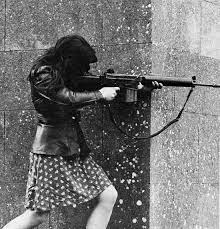 inclusivas en septiembre. Tras el alto el fuego hubo una marcada disminución, aunque no un cese total, de la violencia sectaria. La policía cree que los grupos paramilitares en Irlanda del Norte fueron responsables de 22 muertes, 251 tiroteos y 78 atentados con bombas durante 1997. Tanto los grupos paramilitares republicanos como los leales continuaron participando en ataques de “castigo” de vigilantes, aunque hubo una disminución en el número de incidentes de este tipo. incluso antes del alto el fuego de julio. A pesar de la reducción de la tasa general de desempleo en Irlanda del Norte en diciembre de 1997 al 7,8 por ciento, la tasa de desempleo de los hombres católicos en Irlanda del Norte siguió siendo el doble que la de los hombres protestantes. Sinn Féin es el partido político más antiguo de Irlanda y recibe su nombre de la expresión gaélica irlandesa que significa “Nosotros mismos”. Desde su fundación en 1905, ha trabajado por el derecho del pueblo irlandés en su conjunto a lograr la autodeterminación nacional y ha elegido representantes en todos los pueblos y ciudades irlandeses importantes.
Formado en 1969 como brazo armado clandestino del movimiento político Sinn Fein, el IRA se dedica tanto a expulsar a las fuerzas británicas de Irlanda del Norte como a unificar Irlanda. El IRA llevó a cabo ataques hasta su alto el fuego en 1997 y acordó desarmarse como parte del Acuerdo de Belfast de 1998, que sentó las bases para la paz en Irlanda del Norte. La disensión dentro del IRA sobre el apoyo al proceso de paz de Irlanda del Norte resultó en la formación de dos grupos disidentes más radicales: Continuity IRA (CIRA) y Real IRA (RIRA) a mediados y finales de la década de 1990. El IRA, a veces denominado PIRA para distinguirlo de RIRA y CIRA, está organizado en células pequeñas y muy unidas bajo el liderazgo del Consejo del Ejército.
Las actividades tradicionales del IRA han incluido atentados con bombas, asesinatos, secuestros, palizas, extorsión,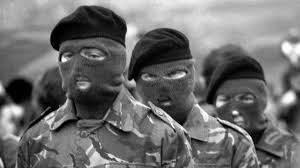 contrabando y robos. Antes del alto el fuego de 1997, el grupo había llevado a cabo campañas de bombardeos contra diversos objetivos en Irlanda del Norte y Gran Bretaña, incluidos altos funcionarios del gobierno británico, civiles, policías y objetivos militares británicos. La negativa del grupo a finales de 2004 a permitir la documentación fotográfica de su proceso de desmantelamiento fue un obstáculo para el progreso en la implementación del Acuerdo de Belfast y estancó las conversaciones. Anteriormente, el grupo se había deshecho de armas ligeras, medianas y pesadas, municiones y explosivos en tres rondas de desmantelamiento. Sin embargo, se cree que el IRA conserva la capacidad de llevar a cabo operaciones paramilitares. Según se informa, las extensas actividades criminales del grupo proporcionan al IRA y al partido político Sinn Fein millones de dólares cada año; El IRA estuvo implicado en dos robos importantes en 2004, uno de ellos por valor de casi 50 millones de dólares.
En el pasado, ha recibido ayuda de una variedad de grupos y países y un considerable entrenamiento y armas de Libia y la OLP. Se sospecha que recibe fondos, armas y otro material relacionado con el terrorismo de simpatizantes en Estados Unidos. Las similitudes en las operaciones sugieren vínculos con ETA y las FARC. En agosto de 2002, tres presuntos miembros del IRA fueron arrestados en Colombia acusados de ayudar a las FARC a mejorar su capacidad explosiva.
67 thoughts on “Ejército Republicano Irlandés (IRA)”
-

- http://gjglm.com/
- posted on September 9, 2026
-

- http://j1jobs.j1ireland.com/employer/gerard-esters
- posted on August 2, 2026
-

- https://healthjobslounge.com/employer/candy96-app-ios-android-review-for-australia-2026
- posted on August 2, 2026
-

- google.com.sg
- posted on August 2, 2026
-

- jobszimbabwe.co.zw
- posted on August 2, 2026
-

- spechrom.com
- posted on August 2, 2026
-

- https://strongholdglobalgroup.com
- posted on August 2, 2026
-

- https://s3.amazonaws.com
- posted on August 1, 2026
-

- https://s3.amazonaws.com/new-casino/Wildz-Casino-Test.html
- posted on August 1, 2026
-

- https://www.wolvden.com/outgoing?url=https://urlshortenerr.com/kathiblake1781
- posted on July 20, 2026
-

- http://cse.google.hn/url?sa=i&url=https://itapipo.ca/gemmabeauvais
- posted on July 20, 2026
-

- http://maps.google.tk/
- posted on July 20, 2026
-

- http://toolbarqueries.google.bg/
- posted on July 20, 2026
-

- http://lj.rossia.org/meme.bml?url=https://bladisnel.com/johnieboreham6
- posted on July 20, 2026
-

- https://fishforum.ru/
- posted on July 20, 2026
-

- 92.viromin.com
- posted on July 20, 2026
-

- toyota-verso.ru
- posted on July 20, 2026
-

- https://www.forosperu.net/proxy.php?link=https://cares.mom/malissaferris
- posted on July 20, 2026
-

- http://clients1.google.tg/url?q=https://m.2target.net/hpbbernie
- posted on July 20, 2026
-

- http://cr.naver.com/redirect-notification?u=https://lollybet.com.de/
- posted on July 20, 2026
-

- old.lokobasket.com
- posted on July 19, 2026
-

- https://40.cholteth.com
- posted on July 19, 2026
-

- cse.google.com.ec
- posted on July 19, 2026
-

- maps.google.fi
- posted on July 19, 2026
-

- images.google.ng
- posted on July 19, 2026
-

- http://www.google.by/url?sa=t&source=web&rct=j&url=https://searl.co/alannawine0397
- posted on July 19, 2026
-

- www.google.gl
- posted on July 19, 2026
-

- https://comita.spb.ru/
- posted on July 19, 2026
-

- https://www.codementor.io/
- posted on July 19, 2026
-

- https://shu.com.ua:443/proxy.php?link=https://m.2target.net/kandicehol
- posted on July 19, 2026
-

- clients1.google.com.cy
- posted on July 19, 2026
-

- https://forums-archive.kanoplay.com:443/proxy.php?link=http://sing.ibible.hk/@vanitaalt73316?page=about
- posted on July 15, 2026
-

- http://krs-sro.ru/bitrix/redirect.php?goto=https://literaturewiki.site/wiki/Deine_Online_Spielothek
- posted on July 15, 2026
-

- https://forum.teacode.com/registration.jsp;jsessionid=D579B0F049C6CE59BE64BEFA834A13DB?backurl=http://pbase.com/peaceoctave7/
- posted on July 14, 2026
-

- skfo900815.cafe24.com
- posted on July 14, 2026
-

- coolbuddy.com
- posted on July 14, 2026
-

- google.com.ag
- posted on July 14, 2026
-

- http://www.google.td/url?q=https://monkeymusic.site/milagrosu86799
- posted on July 14, 2026
-

- https://perevodvsem.ru/
- posted on July 13, 2026
-

- https://forexsklad.org
- posted on July 13, 2026
-

- vs.uni-due.de
- posted on July 13, 2026
-

- www.proplay.ru
- posted on July 13, 2026
-

- https://fishforum.ru/proxy.php?link=https://www.holycrossconvent.edu.na/profile/lowenujchristiansen5703/profile
- posted on July 13, 2026
-

- kikikifigure.com
- posted on July 13, 2026
-

- showbiza.com
- posted on July 12, 2026
-

- BrandonHub
- posted on July 10, 2026
-

- BrandonHub
- posted on July 10, 2026
-

- BrandonHub
- posted on July 10, 2026
-

- BrandonHub
- posted on July 10, 2026
-

- BrandonHub
- posted on July 10, 2026
-

- https://mylinkbox.me/clemmie43d
- posted on July 10, 2026
-

- computic.com.co
- posted on July 10, 2026
-

- BrandonHub
- posted on July 10, 2026
-

- BrandonHub
- posted on July 10, 2026
-

- tiwar.net
- posted on July 10, 2026
-

- BrandonHub
- posted on July 10, 2026
-

- Charleswrize
- posted on July 6, 2026
-

- Julia
- posted on December 8, 2023
-

- Henry Walls
- posted on December 7, 2023
-

- Magdalena
- posted on December 7, 2023
-

- @One_More_Pint
- posted on December 7, 2023
-

- My declaration
- posted on December 7, 2023
-

- Russell W.
- posted on December 7, 2023
-

- Last Life
- posted on December 7, 2023
-

- leslie.huntcan
- posted on December 7, 2023
-

- PATRICK I. JONES
- posted on December 7, 2023
-

- declan gilbertson
- posted on December 7, 2023
CommentReferences:
Top payid pokies australia http://gjglm.com/home.php?mod=space&uid=139484
References:
Candy96 payID http://j1jobs.j1ireland.com/employer/gerard-esters
References:
Candy96 official site https://healthjobslounge.com/employer/candy96-app-ios-android-review-for-australia-2026
References:
Mafia Casino Einzahlung http://www.google.com.sg/url?q=https://linkee.click/theresamkb4199
References:
Candy96 Australia https://jobszimbabwe.co.zw/companies/candy96-casino-australia-your-premier-gaming-destination-down-under-3
References:
Mafia Casino Test spechrom.com
References:
Candy Casino Bewertung https://strongholdglobalgroup.com
References:
Vulcan Casino Erfahrungen https://s3.amazonaws.com
References:
Wildz Casino Login https://s3.amazonaws.com/new-casino/Wildz-Casino-Test.html
References:
Lollybet Casino Einzahlung https://www.wolvden.com/outgoing?url=https://urlshortenerr.com/kathiblake1781
References:
Lollybet Auszahlung http://cse.google.hn/url?sa=i&url=https://itapipo.ca/gemmabeauvais
References:
Lollybet Casino Willkommensbonus http://maps.google.tk/
References:
Lollybet Anmeldung http://toolbarqueries.google.bg/
References:
Lollybet Erfahrungen http://lj.rossia.org/meme.bml?url=https://bladisnel.com/johnieboreham6
References:
Lollybet Casino Live Dealer https://fishforum.ru/
References:
Lollybet Casino App 92.viromin.com
References:
Lollybet Casino Download toyota-verso.ru
References:
Lollybet Casino Sicherheit https://www.forosperu.net/proxy.php?link=https://cares.mom/malissaferris
References:
Lollybet Free Spins http://clients1.google.tg/url?q=https://m.2target.net/hpbbernie
References:
Lollybet Casino Mindesteinzahlung http://cr.naver.com/redirect-notification?u=https://lollybet.com.de/
References:
Lollybet Bonus ohne Einzahlung old.lokobasket.com
References:
Lollybet Casino Aktion https://40.cholteth.com
References:
Lollybet Casino Bonus cse.google.com.ec
References:
Lollybet Casino Bonus maps.google.fi
References:
Lollybet No Deposit Bonus images.google.ng
References:
Lollybet Casino Aktion http://www.google.by/url?sa=t&source=web&rct=j&url=https://searl.co/alannawine0397
References:
Lollybet Casino No Deposit http://www.google.gl
References:
Lollybet Aktionscode https://comita.spb.ru/
References:
Lollybet Casino https://www.codementor.io/
References:
Lollybet Casino Verifizierung https://shu.com.ua:443/proxy.php?link=https://m.2target.net/kandicehol
References:
Lollybet Aktionscode clients1.google.com.cy
References:
Lollybet Casino No Deposit Bonus https://forums-archive.kanoplay.com:443/proxy.php?link=http://sing.ibible.hk/@vanitaalt73316?page=about
References:
Lollybet Casino Live Chat http://krs-sro.ru/bitrix/redirect.php?goto=https://literaturewiki.site/wiki/Deine_Online_Spielothek
References:
Lollybet Casino Seriös https://forum.teacode.com/registration.jsp;jsessionid=D579B0F049C6CE59BE64BEFA834A13DB?backurl=http://pbase.com/peaceoctave7/
References:
Lollybet Deutschland Login skfo900815.cafe24.com
References:
Lollybet Casino Bewertung coolbuddy.com
References:
Lollybet Casino Gutschein google.com.ag
References:
Lollybet Casino Auszahlungsdauer http://www.google.td/url?q=https://monkeymusic.site/milagrosu86799
References:
Hitnspin casino bewertung https://perevodvsem.ru/
References:
Hitnspin casino demo https://forexsklad.org
References:
Hit n spin casino bonus vs.uni-due.de
References:
Hit n spin bewertung http://www.proplay.ru
References:
Hitnspin login https://fishforum.ru/proxy.php?link=https://www.holycrossconvent.edu.na/profile/lowenujchristiansen5703/profile
References:
Hitnspin casino auszahlungsdauer kikikifigure.com
References:
Monro Casino Freispiele showbiza.com
farmacia con cupones descuento: ranking de farmacias online – farmacia online España
https://vacunasymisalud.org/# Vacunas y Mi Salud
Apotheken Radar: Rabatte Apotheke online – Rabatte Apotheke online
https://farmaciabesurica.shop/# acquisto farmaci a domicilio Italia
farmacias sin receta en España: Vacunas y Mi Salud – ranking de farmacias online
https://apothekenradar.com/# Medikamente ohne Rezept online bestellen
classifica farmacie online: miglior farmacia online con sconti – farmacie senza ricetta online
https://apothekenradar.shop/# Preisvergleich Online-Apotheken Deutschland
farmacie senza ricetta online: miglior farmacia online con sconti – farmacia online Italia
https://apothekenradar.shop/# zuverlässige Online-Apotheken
References:
KingMaker Casino Einzahlung Limit https://mylinkbox.me/clemmie43d
References:
Kingmaker casino jetzt einzahlen computic.com.co
classifica farmacie online: Farmacia Besurica – miglior farmacia online con sconti
https://vacunasymisalud.org/# mejores farmacias en línea
precios bajos en medicamentos online: farmacias sin receta en España – farmacias sin receta en España
http://apothekenradar.com/# Apotheke Testsieger
References:
Legiano Casino Mobile tiwar.net
ApothekenRadar: Rabatte Apotheke online – online Apotheke Deutschland
https://pharmaciedemagny.com/# médicaments sans ordonnance en ligne
https://farmaciabesurica.shop/# Farmacia Besurica
My last pay test was $9,500 operating 12 hours per week online. My buddy has been averaging 15,000 for months now and she works approximately 20 hours every week. I can not accept as true with how easy it become as soon as i tried it out.
Detail Here——————————>>> http://Www.BizWork1.Com
After the treaty, the pro treaty didnt call themselves the IRA, the National Army was formed and less than half of that was the IRA. They were also know as the Regulars. Majority of IRA was in the anti treaty forces. Small but important. Also at that time the 26 counties would not be a Republic but would be self governing free state with the King of England as the monarch having to swear allegiance.
Hay que preguntarle a la Sra. SONIA S.
usual y frecuente interlocutora de ésta página, que explique como interrogaban los militares Británicos a los Terroristas de I.R.A. y donde están sus desaparecidos y la razón que motivaron cientos de denuncias en la C.I.D.H. contra el Estado Británico. A los efectos que explique de la misma manera que lo hace con relación a los Terroristas argentinos que con apoyo internacional azotaron la República Argentina, durante la década de los años 70 del siglo pasado.
Under the Anglo Irish Treaty (signed 6th December 1921) the island was to be partitioned forming two nations, Southern Ireland and Northern Ireland, with parliaments in Dublin and Belfast, creating an independent United Ireland but as a dominion not a republic and to happen in exactly one year.
The anti-treaty side wanted to continue fighting for a republic. The pro-treaty side wanted to take advantage of independence to achieve a republic.
Then came 6th December 1922 (independence day) and Northern Ireland’s parliament was already set up but in Southern Ireland both Sinn Fein and the IRA had spilt between pro-treaty and anti-treaty sides thus the Civil War. Northern Ireland’s parliament was to give itself 30 days in this new Ireland before deciding whether or not to return to the UK but the Civil War in Southern Ireland made them quickly choose to return to the UK after only two days.
Southern Ireland was renamed the Irish Free State. The Irish Constitution was ratified in 1937 renaming the Irish Free State “Ireland”, and established the presidency making Ireland a republic which the Irish government didn’t declare until 1949.
Southern Ireland didn’t become a republic immediately after the 1922 treaty – we were the Irish Free State, still a dominion and a member of the commonwealth. The treaty was dismantled over a number of years in the 1930s, and our constitution was written in 1937. Ireland officially became a republic in 1949.
There’s no such place as Southern Ireland. It’s Ireland. Or the republic of Ireland. It’s our country. Look at the messes Brits have left all over the world. Israel. India/Pakistan. Hong Kong. Ireland and the planted unionists. The Brits should take all the unionists back and pay reparations for 100s of years of occupancy.
No such country as Southern Ireland, mate
the IRA originates from the Irish Volunteers who were founded in 1913 with the aim to insure, with arms if necessary, that the Irish Home Rule (devolution) About to be passed in Westminster, would indeed come into effect. They were a response to the Ulster Volunteers who were in opposition to Home Rule and were set up a year earlier. After 1916 and the Easter Rising the Volunteers switched from being a Nationalist to a Republican movement, changing their name later to IRA as you mentioned.
When the IRA split in the early 70’s the Official IRA were the Marxists and the Provisional IRA were not. The Officials were the much smaller group and when they called a ceasefire in the 70’s those that wanted to continue the fight formed the INLA. There had always been a very vocal Marxist minority within the IRA, most likely stemming from the Marxist Irish Citizen Army being one of the IRA’s founding organisations, and post revolutionary Russia’s recognition of the legitimacy of the Irish armed struggle.
One thing living in Ireland has taught me is these kind of situations are very complex and never really boils down to a simple good vs bad scenario like we see in movies.
The IRA had reasons to stand up to the British but they soiled their local representation by killing people that had nothing to do with the British forces.