La decisión de la Corte Suprema en Miranda contra Arizona abordó cuatro casos diferentes relacionados con interrogatorios bajo custodia. En cada uno de estos casos, el acusado fue interrogado por agentes de policía, detectives o un fiscal en una habitación en la que estaba aislado del mundo exterior. En ninguno de estos casos se dio al acusado una advertencia completa y efectiva de sus derechos al inicio del proceso de interrogatorio. En todos los casos, el interrogatorio generó confesiones orales y, en tres de ellos, declaraciones firmadas que fueron admitidas en el juicio.
Miranda contra Arizona: Miranda fue arrestado en su casa y llevado bajo custodia a una estación de policía donde fue identificado por el testigo denunciante. Luego fue interrogado por dos agentes de policía durante dos horas, de lo que resultó una confesión escrita y firmada. En el juicio se presentaron al jurado las confesiones orales y escritas. Miranda fue declarada culpable de secuestro y violación y sentenciada a entre 20 y 30 años de prisión por cada cargo. En la apelación, la Corte Suprema de Arizona sostuvo que los derechos constitucionales de Miranda no fueron violados al obtener la confesión. Vignera contra Nueva York: Vignera fue detenido por la policía de Nueva York en relación con el robo de una tienda de ropa que había ocurrido tres días antes. Primero lo llevaron a la sede del 17º Escuadrón de Detectives. Luego lo llevaron al 66º Equipo de Detectives, donde admitió oralmente el robo y fue puesto bajo arresto formal. Luego lo llevaron a la comisaría 70 para su detención, donde fue interrogado por un asistente del fiscal de distrito en presencia de un reportero de la audiencia que transcribió las preguntas y respuestas. En el juicio se presentó al jurado la confesión oral y la transcripción. Vignera fue declarado culpable de robo en primer grado y sentenciado a entre 30 y 60 años de prisión. La condena fue confirmada sin opinión por la División de Apelaciones y el Tribunal de Apelaciones.
Westover contra Estados Unidos: Westover fue arrestado por la policía local en Kansas City como sospechoso de dos robos en Kansas City y llevado a una estación de policía local. También se recibió un informe del FBI de que se buscaba a Westover por un delito grave en California. Westover fue interrogado la noche del arresto y a la mañana siguiente por la policía local. Luego, los agentes del FBI continuaron el interrogatorio en la comisaría. Después de dos horas y media de interrogatorio por parte del FBI, Westover firmó confesiones separadas, que habían sido preparadas por uno de los agentes durante el interrogatorio, para cada uno de los dos robos en California. Estas declaraciones fueron presentadas en el juicio. Westover fue declarado culpable de los robos de California y sentenciado a 15 años de prisión por cada cargo. La condena fue confirmada por el Tribunal de Apelaciones del Noveno Circuito.
California contra Stewart: En el curso de la investigación de una serie de robos de cartera en los que una de las víctimas murió a causa de las heridas infligidas por su agresor, Stewart fue identificada como la endosadora de los cheques robados en uno de los robos. Steward fue arrestado en su casa. La policía también arrestó a la esposa de Stewart y a otras tres personas que lo visitaban. Stewart fue encerrado en una celda y, durante los cinco días siguientes, interrogado en nueve ocasiones diferentes. Durante la novena sesión de interrogatorio, Stewart declaró que había robado a la fallecida, pero que no tenía intención de lastimarla. En ese momento, la policía liberó a las otras cuatro personas arrestadas con Stewart porque no había pruebas que conectaran a ninguna de ellas con el crimen. En el juicio se presentaron las declaraciones de Stewart. Stewart fue declarado culpable de robo y asesinato en primer grado y condenado a muerte. La Corte Suprema de California revocó la decisión y sostuvo que Stewart debería haber sido informado de su derecho a permanecer en silencio y de su derecho a recibir un abogado.
Si las “declaraciones obtenidas de un individuo que es sometido a un interrogatorio policial bajo custodia” son admisibles contra él en un juicio penal y si los “procedimientos que garantizan que al individuo se le conceda el privilegio, bajo la Quinta Enmienda de la Constitución, de no ser obligado a incriminarse a sí mismo”. ” son necesarios.
El Tribunal sostuvo que “no puede haber duda de que el privilegio de la Quinta Enmienda está disponible fuera de los procedimientos judiciales penales y sirve para proteger a las personas en todos los entornos en los que su libertad de acción se ve restringida de manera significativa de ser obligadas a incriminarse a sí mismas”. Como tal, “la fiscalía no puede utilizar declaraciones, ya sean exculpatorias o inculpatorias, derivadas del interrogatorio bajo custodia del acusado a menos que demuestre el uso de salvaguardias procesales eficaces para garantizar el privilegio contra la autoincriminación. Por interrogatorio bajo custodia nos referimos al interrogatorio iniciado por agentes encargados de hacer cumplir la ley después de que una persona ha sido detenida o privada de su libertad de acción de alguna manera significativa”.
El Tribunal sostuvo además que “sin las salvaguardias adecuadas, el proceso de interrogatorio bajo custodia de personas sospechosas o acusadas de un delito contiene presiones inherentemente convincentes que actúan para socavar la voluntad del individuo de resistir y obligarlo a hablar cuando de otro modo lo haría libremente. ” Por lo tanto, al acusado “se le debe advertir antes de cualquier interrogatorio que tiene derecho a permanecer en silencio, que cualquier cosa que diga puede usarse en su contra ante un tribunal, que tiene derecho a la presencia de un abogado y que si no puede pagar un abogado, se le asignará uno antes de cualquier interrogatorio si así lo desea”.
La Corte Suprema revocó la sentencia de la Corte Suprema de Arizona en el caso Miranda, revocó la sentencia de la Corte de Apelaciones de Nueva York en el caso Vignera, revocó la sentencia de la Corte de Apelaciones del Noveno Circuito en el caso Westover y confirmó la sentencia de la Corte Suprema. Tribunal de California en Stewart.
Miranda v. Arizona: After Miranda’s conviction was overturned by the Supreme Court, the State of Arizona retried him. At the second trial, Miranda’s confession was not introduced into evidence. Miranda was once again convicted and sentenced to 20-30 years in prison.
The law knows you already have the right to remain silent. The law assumes the authority to attempt to deprive you of that right by requiring that you speak to assert it.
The Miranda Warning or Rights are to be read to you just in case the officer arresting you needs to ask you some questions in order to make sure the person being arrested is the right one. If you are caught in flagrante, you are going straight to court. There is enough evidence to arrest you without reading you the Miranda Rights.
Miranda rights are only valid in USA, because there is always american traveling in Europe and thinking there US rights still applied, the most common example are: miranda rights, the fact than police officer have to say to you why he had pulled you over, the fact than you have the right to take picture and film peoples
I’ve never been arrested… I have however, been stopped quite literally for walking at night… or during daytime probably for them thinking I was drunk… lol don’t drink alcohol… cause seizures. Usually what was happening when they stopped me during the day…. They tried to stop me from walking to the store at night… lol they were confused how I could feel safe walking around at night. I am legally blind. The darkness pretty much has no effect on my ability to get around. When I went down to my store that’s at the end of my block they were going to drive me back to my house. I asked him if I was under arrest for any reason and they said no. Knowing my rights I went ahead and walked to the store. They were confused very very confused. I was amused. They couldn’t understand how I felt safe walking across an intersection. lol 30+ years of orientation and mobility training for blind people. lol. They actually asked me how I was going to make the intersection, and I quite literally said “like this” and proceeded to do what I always do to cross streets. I had also told them I would not get in the vehicle with them because I could not verify that they were a police officer. I’ve been trained never to get in the car with anyone no matter who they claim to be unless I know the person personally. They said I could look at their badges, and I just grand and was like yeah well I’ve seen them fake that on supernatural so. I can’t verify that you are you say you are. I wasn’t trying to be rude, but like I said I was trained to never ever get in the car with anyone that I don’t know. To this day I have three people that aren’t family that I can ride with and feel safe. I made sure they knew that I wasn’t trying to be disrespectful, but I knew what my rights were I was not under curfew of any kind, and would not get in the car because I do not have enough vision to visually verify anything they said.
I think one major problem with Miranda Warnings is it creates unfair disadvantage to young uneducated and less professional alleged criminals who dumbly waive their Miranda rights and shoot themselves in the foot. And this is not fair when more professional experienced criminals are not estranged to the seriousness of the Miranda warnings, as these are not often taught in grade school. To rectify the situation, I think the Miranda Warning should add a new statement that says “If you would like to maximize your chances of getting acquitted of these charges you will definitely be harmed by not waiting for a lawyer.”
@CharlieMingoThey literally say if you cannot AFFORD one, an attorney will be provided…. Obviously, the state has to set income limits on what does and does not qualify as “afford.” Did you really think they would just take your opinion about whether or not you could afford one? You’re going to know whether or not you qualify for an attorney to be paid for you or whether you’ll pay for your own or get a bill. It’s not going to be some surprise unless you’re stupid and oblivious about what’s going on in your case.
<a>Here’s the thing about your “rights” to a FREE attorney guys, that they seem not to tell you… Miranda warning says if you “cannot afford an attorney”, one will be appointed by the courts, right? Exactly what does that mean? Most people tend to think that everybody is entitled to an attorney because that’s what Miranda says…If you do a little research online, you’ll find every State has their own means test to determine who qualify for FREE attorney… Just like every state has his own means test as to who qualifies for welfare and food stamps…It’s the exact same means test… Yes and in most criminal cases where you looking to be incarcerated, they’re going to give you an attorney, if you can’t afford one, but if you can’t qualify forfood stamps, you will also get a BILL for your attorney fees.</a>
It doesn’t always happen. There are also loopholes, since they don’t have to give them unless they arrest you. Shouldn’t it be important to give them before questioning anyone?
Came here after Watching Shawshank redemption when detective comes to arrest the officer in Shawshank and he reads exactly what is written in this paper.

♦
 Por Mike Granger.
La decisión de la Corte Suprema en Miranda contra Arizona abordó cuatro casos diferentes relacionados con interrogatorios bajo custodia. En cada uno de estos casos, el acusado fue interrogado por agentes de policía, detectives o un fiscal en una habitación en la que estaba aislado del mundo exterior. En ninguno de estos casos se dio al acusado una advertencia completa y efectiva de sus derechos al inicio del proceso de interrogatorio. En todos los casos, el interrogatorio generó confesiones orales y, en tres de ellos, declaraciones firmadas que fueron admitidas en el juicio.
Miranda contra Arizona: Miranda fue arrestado en su casa y llevado bajo custodia a una estación de policía donde fue identificado por el testigo denunciante. Luego fue interrogado por dos agentes de policía durante dos horas, de lo que resultó una confesión escrita y firmada. En el juicio se presentaron al jurado las confesiones orales y escritas. Miranda fue declarada culpable de secuestro y violación y sentenciada a entre 20 y 30 años de prisión por cada cargo. En la apelación, la Corte Suprema de Arizona sostuvo que los derechos constitucionales de Miranda no fueron violados al obtener la confesión.
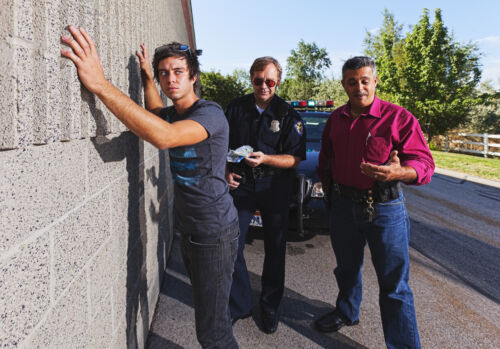 Vignera contra Nueva York: Vignera fue detenido por la policía de Nueva York en relación con el robo de una tienda de ropa que había ocurrido tres días antes. Primero lo llevaron a la sede del 17º Escuadrón de Detectives. Luego lo llevaron al 66º Equipo de Detectives, donde admitió oralmente el robo y fue puesto bajo arresto formal. Luego lo llevaron a la comisaría 70 para su detención, donde fue interrogado por un asistente del fiscal de distrito en presencia de un reportero de la audiencia que transcribió las preguntas y respuestas. En el juicio se presentó al jurado la confesión oral y la transcripción. Vignera fue declarado culpable de robo en primer grado y sentenciado a entre 30 y 60 años de prisión. La condena fue confirmada sin opinión por la División de Apelaciones y el Tribunal de Apelaciones.
Westover contra Estados Unidos: Westover fue arrestado por la policía local en Kansas City como sospechoso de dos robos en Kansas City y llevado a una estación de policía local. También se recibió un informe del FBI de que se buscaba a Westover por un delito grave en California. Westover fue interrogado la noche del arresto y a la mañana siguiente por la policía local. Luego, los agentes del FBI continuaron el interrogatorio en la comisaría. Después de dos horas y media de interrogatorio por parte del FBI, Westover firmó confesiones separadas, que habían sido preparadas por uno de los agentes durante el interrogatorio, para cada uno de los dos robos en California. Estas declaraciones fueron presentadas en el juicio. Westover fue declarado culpable de los robos de California y sentenciado a 15 años de prisión por cada cargo. La condena fue confirmada por el Tribunal de Apelaciones del Noveno Circuito.
California contra Stewart: En el curso de la investigación de una serie de robos de cartera en los que una de las víctimas murió a causa de las heridas infligidas por su agresor, Stewart fue identificada como la endosadora de los cheques robados en uno de los robos. Steward fue arrestado en su casa. La policía también arrestó a la esposa de Stewart y a otras tres personas que lo visitaban. Stewart fue encerrado en una celda y, durante los cinco días siguientes, interrogado en nueve ocasiones diferentes. Durante la novena sesión de interrogatorio, Stewart declaró que había robado a la fallecida, pero que no tenía intención de lastimarla. En ese momento, la policía liberó a las otras cuatro personas arrestadas con Stewart porque no había pruebas que conectaran a ninguna de ellas con el crimen. En el juicio se presentaron las declaraciones de Stewart. Stewart fue declarado culpable de robo y asesinato en primer grado y condenado a muerte. La Corte Suprema de California revocó la decisión y sostuvo que Stewart debería haber sido informado de su derecho a permanecer en silencio y de su derecho a recibir un abogado.
Si las “declaraciones obtenidas de un individuo que es sometido a un interrogatorio policial bajo custodia” son admisibles contra él en un juicio penal y si los “procedimientos que garantizan que al individuo se le conceda el privilegio, bajo la Quinta Enmienda de la Constitución, de no ser obligado a incriminarse a sí mismo”. ” son necesarios.
El Tribunal sostuvo que “no puede haber duda de que el privilegio de la Quinta Enmienda está disponible fuera de los procedimientos judiciales penales y sirve para proteger a las personas en todos los entornos en los que su libertad de acción se ve restringida de manera significativa de ser obligadas a incriminarse a sí mismas”. Como tal, “la fiscalía no puede utilizar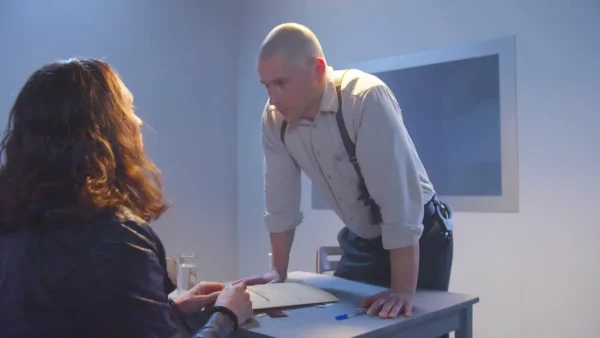 declaraciones, ya sean exculpatorias o inculpatorias, derivadas del interrogatorio bajo custodia del acusado a menos que demuestre el uso de salvaguardias procesales eficaces para garantizar el privilegio contra la autoincriminación. Por interrogatorio bajo custodia nos referimos al interrogatorio iniciado por agentes encargados de hacer cumplir la ley después de que una persona ha sido detenida o privada de su libertad de acción de alguna manera significativa”.
El Tribunal sostuvo además que “sin las salvaguardias adecuadas, el proceso de interrogatorio bajo custodia de personas sospechosas o acusadas de un delito contiene presiones inherentemente convincentes que actúan para socavar la voluntad del individuo de resistir y obligarlo a hablar cuando de otro modo lo haría libremente. ” Por lo tanto, al acusado “se le debe advertir antes de cualquier interrogatorio que tiene derecho a permanecer en silencio, que cualquier cosa que diga puede usarse en su contra ante un tribunal, que tiene derecho a la presencia de un abogado y que si no puede pagar un abogado, se le asignará uno antes de cualquier interrogatorio si así lo desea”.
La Corte Suprema revocó la sentencia de la Corte Suprema de Arizona en el caso Miranda, revocó la sentencia de la Corte de Apelaciones de Nueva York en el caso Vignera, revocó la sentencia de la Corte de Apelaciones del Noveno Circuito en el caso Westover y confirmó la sentencia de la Corte Suprema. Tribunal de California en Stewart.
Miranda v. Arizona: After Miranda’s conviction was overturned by the Supreme Court, the State of Arizona retried him. At the second trial, Miranda’s confession was not introduced into evidence. Miranda was once again convicted and sentenced to 20-30 years in prison.
PrisioneroEnArgentina.com
Noviembre 22, 2023
21 thoughts on “Miranda contra Arizona”
-

- SHUT UP
- posted on November 28, 2023
-

- The Man from U.N.C.L.E.
- posted on November 28, 2023
-

- K.
- posted on November 28, 2023
-

- Only Me
- posted on November 28, 2023
-

- Hat-Human
- posted on November 28, 2023
-

- Clayton Vosse
- posted on November 28, 2023
-

- BOBBY MAGUIRE
- posted on November 28, 2023
-

- Lloyd and Jenna
- posted on November 28, 2023
-

- charlie mingo
- posted on November 28, 2023
-

- juanjo
- posted on November 28, 2023
- cuantos beretijos
-

- martin Dennison
- posted on November 28, 2023
-

- Anne Locklear
- posted on November 28, 2023
-

- mike granger _1965
- posted on November 28, 2023
-

- Craig Carter
- posted on November 28, 2023
-

- gail winthorpe
- posted on November 28, 2023
-

- escafandra@gmail.com
- posted on November 28, 2023
-

- richard pizarro 55
- posted on November 28, 2023
-

- Shal
- posted on November 28, 2023
-

- Davis Cromwell
- posted on November 28, 2023
-

- susan lee moritz
- posted on November 28, 2023
-

- T. Sanders
- posted on November 28, 2023
CommentThe law knows you already have the right to remain silent. The law assumes the authority to attempt to deprive you of that right by requiring that you speak to assert it.
The Miranda Warning or Rights are to be read to you just in case the officer arresting you needs to ask you some questions in order to make sure the person being arrested is the right one. If you are caught in flagrante, you are going straight to court. There is enough evidence to arrest you without reading you the Miranda Rights.
Miranda rights are only valid in USA, because there is always american traveling in Europe and thinking there US rights still applied, the most common example are: miranda rights, the fact than police officer have to say to you why he had pulled you over, the fact than you have the right to take picture and film peoples
I’ve never been arrested… I have however, been stopped quite literally for walking at night… or during daytime probably for them thinking I was drunk… lol don’t drink alcohol… cause seizures. Usually what was happening when they stopped me during the day…. They tried to stop me from walking to the store at night… lol they were confused how I could feel safe walking around at night. I am legally blind. The darkness pretty much has no effect on my ability to get around. When I went down to my store that’s at the end of my block they were going to drive me back to my house. I asked him if I was under arrest for any reason and they said no. Knowing my rights I went ahead and walked to the store. They were confused very very confused. I was amused. They couldn’t understand how I felt safe walking across an intersection. lol 30+ years of orientation and mobility training for blind people. lol. They actually asked me how I was going to make the intersection, and I quite literally said “like this” and proceeded to do what I always do to cross streets. I had also told them I would not get in the vehicle with them because I could not verify that they were a police officer. I’ve been trained never to get in the car with anyone no matter who they claim to be unless I know the person personally. They said I could look at their badges, and I just grand and was like yeah well I’ve seen them fake that on supernatural so. I can’t verify that you are you say you are. I wasn’t trying to be rude, but like I said I was trained to never ever get in the car with anyone that I don’t know. To this day I have three people that aren’t family that I can ride with and feel safe. I made sure they knew that I wasn’t trying to be disrespectful, but I knew what my rights were I was not under curfew of any kind, and would not get in the car because I do not have enough vision to visually verify anything they said.
I think one major problem with Miranda Warnings is it creates unfair disadvantage to young uneducated and less professional alleged criminals who dumbly waive their Miranda rights and shoot themselves in the foot. And this is not fair when more professional experienced criminals are not estranged to the seriousness of the Miranda warnings, as these are not often taught in grade school. To rectify the situation, I think the Miranda Warning should add a new statement that says “If you would like to maximize your chances of getting acquitted of these charges you will definitely be harmed by not waiting for a lawyer.”
I guess they don’t do that anymore
@CharlieMingo They literally say if you cannot AFFORD one, an attorney will be provided…. Obviously, the state has to set income limits on what does and does not qualify as “afford.” Did you really think they would just take your opinion about whether or not you could afford one? You’re going to know whether or not you qualify for an attorney to be paid for you or whether you’ll pay for your own or get a bill. It’s not going to be some surprise unless you’re stupid and oblivious about what’s going on in your case.
<a>Here’s the thing about your “rights” to a FREE attorney guys, that they seem not to tell you… Miranda warning says if you “cannot afford an attorney”, one will be appointed by the courts, right? Exactly what does that mean? Most people tend to think that everybody is entitled to an attorney because that’s what Miranda says…If you do a little research online, you’ll find every State has their own means test to determine who qualify for FREE attorney… Just like every state has his own means test as to who qualifies for welfare and food stamps…It’s the exact same means test… Yes and in most criminal cases where you looking to be incarcerated, they’re going to give you an attorney, if you can’t afford one, but if you can’t qualify forfood stamps, you will also get a BILL for your attorney fees.</a>
True that
I Am able to know my rights before being question is because some rapist murder who complained ??
“Do you have the right to remain an attorney…”
Who else was assigned this for school?
boleta de trafico
Came here after Watching Shawshank redemption when detective comes to arrest the officer in Shawshank and he reads exactly what is written in this paper.
This piece is so helpful in understanding this case!
GRANDES Y MULTIMILLONARIOS JUICIOS TENDRÁ QUE PAGAR EL ESTADO AMERICANO A ESTA GENTE